

6 Essential Tips for Optimizing Workstations in GMADA Aerocity Mohali’s Tech Hub

GMADA Aerocity Mohali is becoming a hub of technology at a very fast pace, which is attracting professionals from all fields towards it. The demand for efficiency and productivity in this dynamic setting is so high that workstations need to be optimized for success.
Here are six necessary tips to ensure that your workstation matches the needs of GMADA Aerocity Mohali‘s expanding tech landscape.
1. More powerful processing units
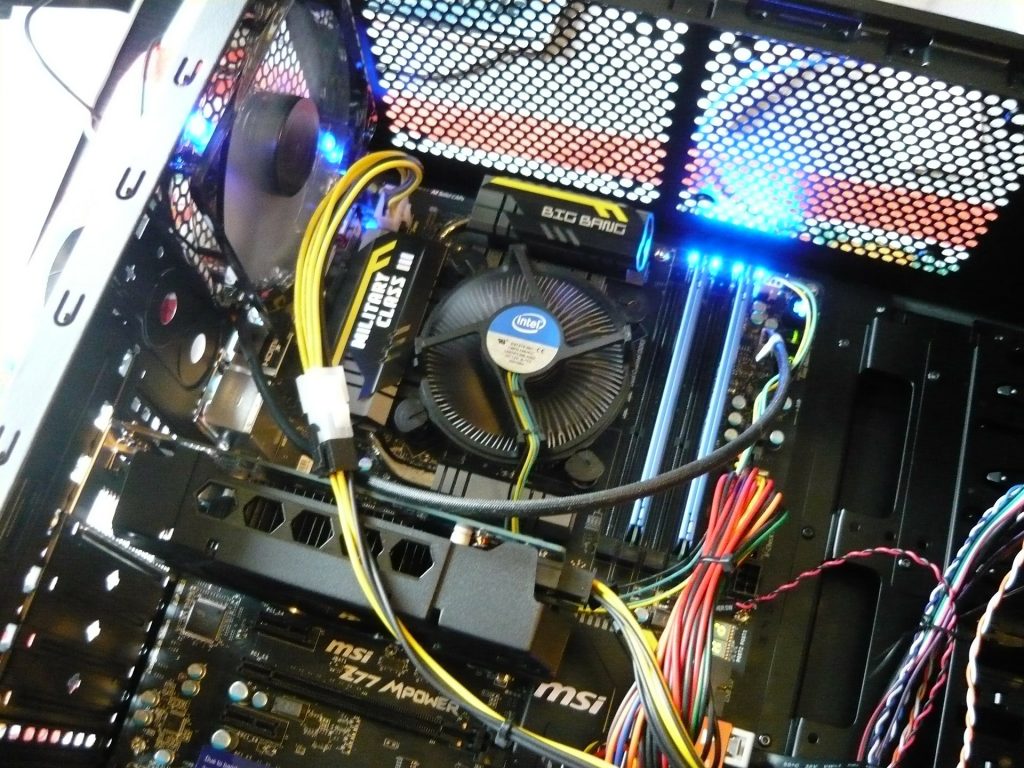
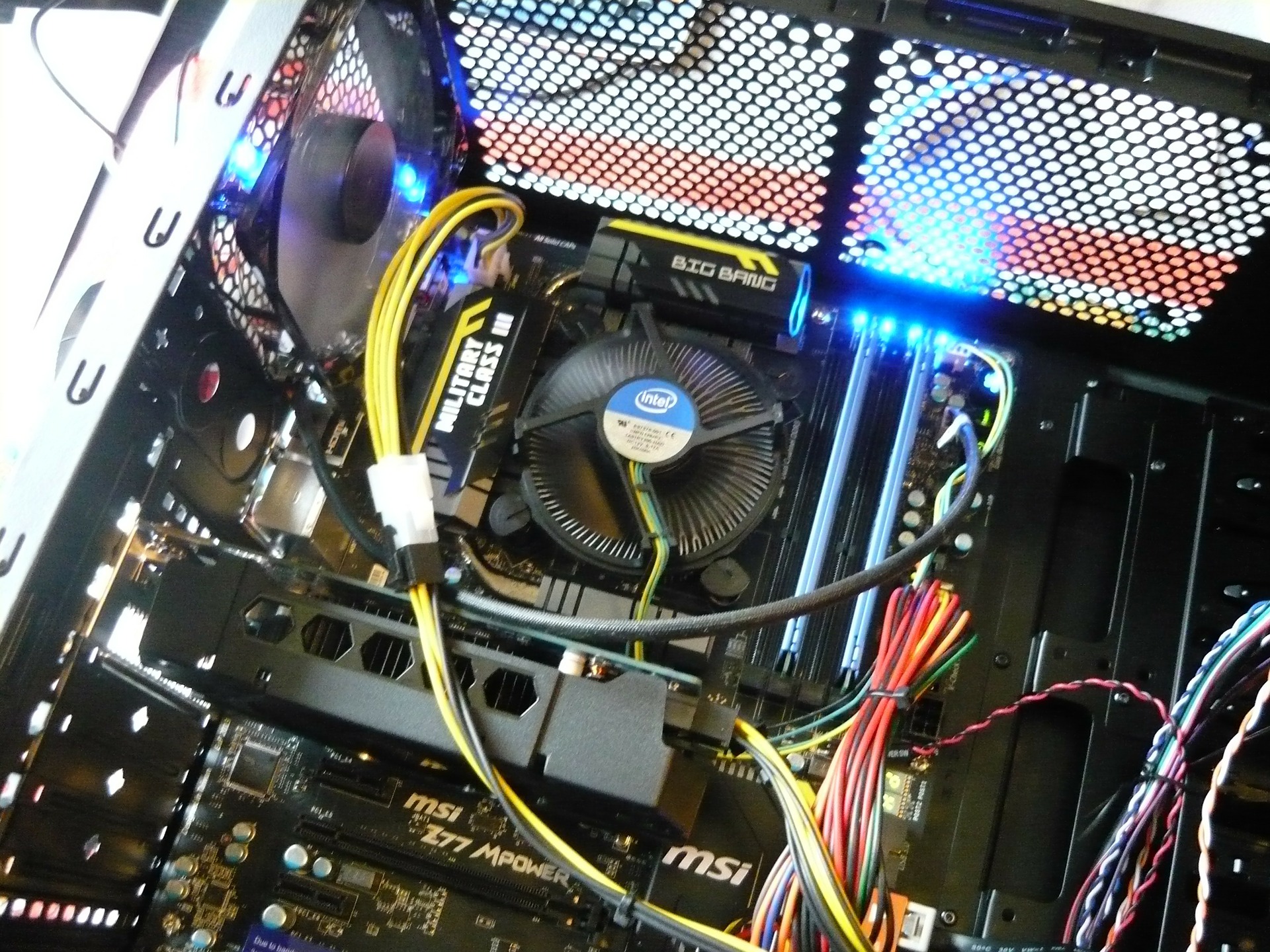
Buy high-performance CPUs that can handle resource-hungry tasks without breaking a sweat. Processors with many cores and high clock speeds are perfect because they allow you to multitask seamlessly, do data analysis, or develop software while working with large datasets and complex algorithms without experiencing any bottlenecks.
2. Sufficient RAM
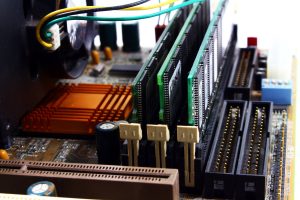
Make sure your computer has enough Random Access Memory (RAM) to support multitasking and memory-intensive apps.
In order to ensure smooth operation of virtual machines, design software, and data processing tools typically used in tech industries located in GMADA Aerocity, you should strive to have at least 16GB of RAM, if not more.
3. Fast storage solutions
Solid State Drives (SSDs) can replace conventional Hard Disk Drives (HDDs) to improve performance by achieving faster boot times, program loading, and data access.
Consider using NVMe SSDs instead because they have even quicker speeds, especially when dealing with large datasets and demanding applications that require fast read/write rates.
ALSO READ: From Silicon to Skin: How Computer Hardware Enthusiasts in DFW Express Their Passion Through Tattoos
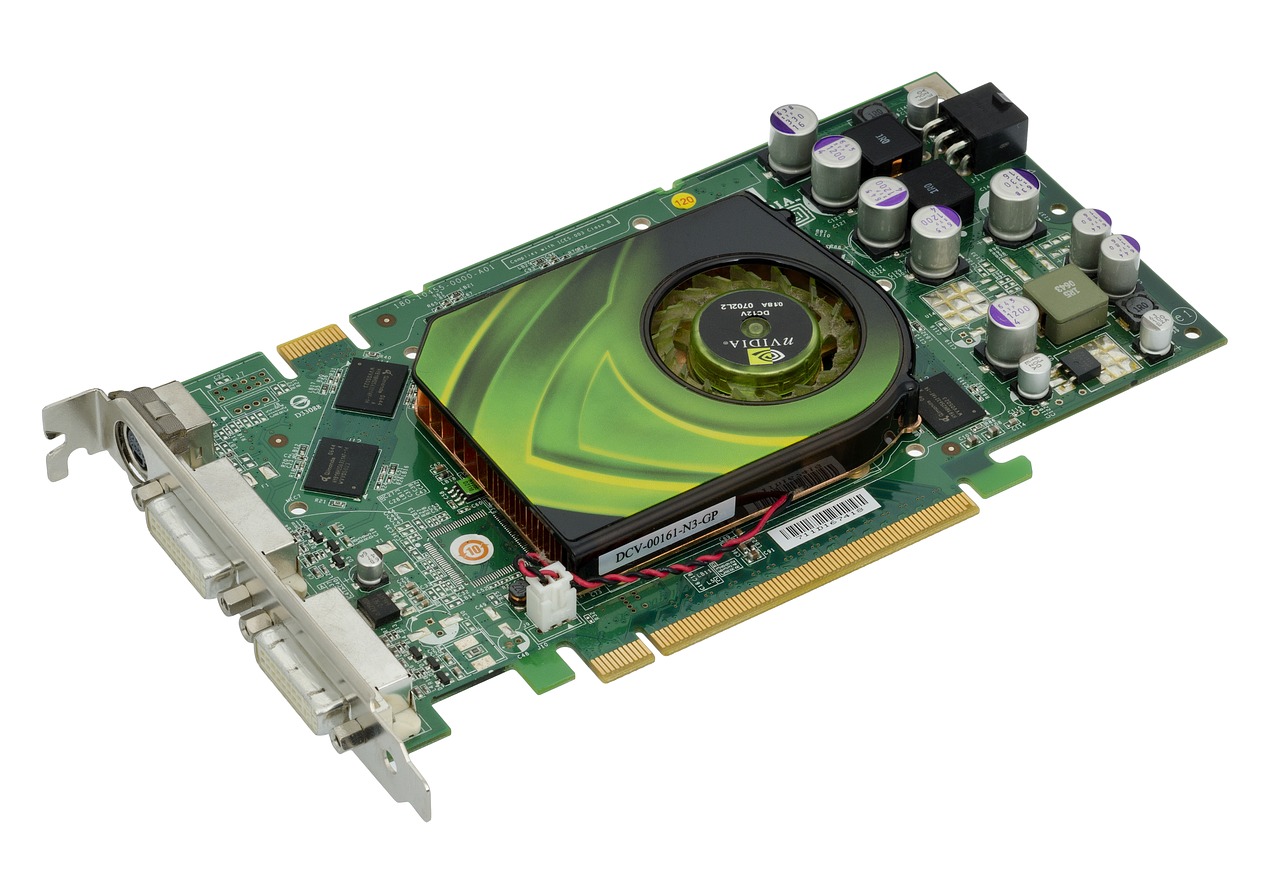
4. Graphics processing power
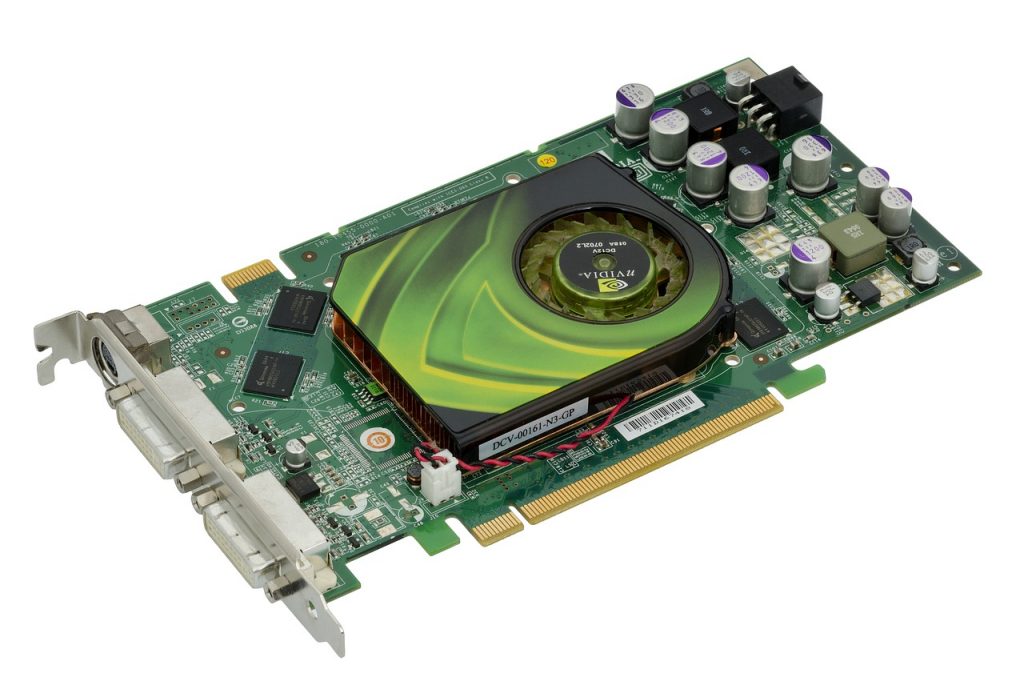
Regardless of whether one is interested in graphic design, 3D modeling, or video editing, a specialized Graphic Processing Unit (GPU) can significantly increase speed.
Go for GPUs that have enough CUDA cores alongside VRAM for smooth rendering acceleration as well as complex designs’ seamless visualization during simulations.
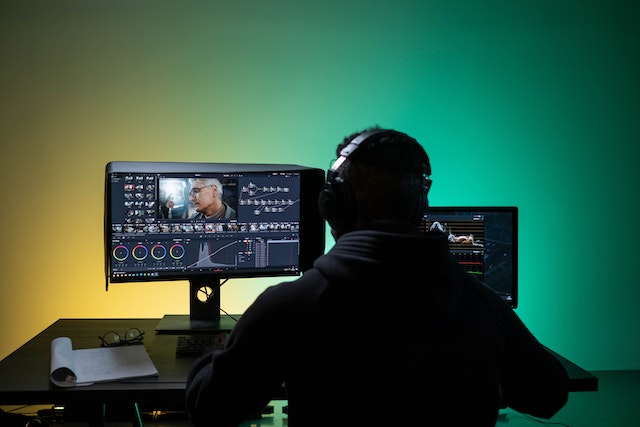
5. Multiple monitor setup
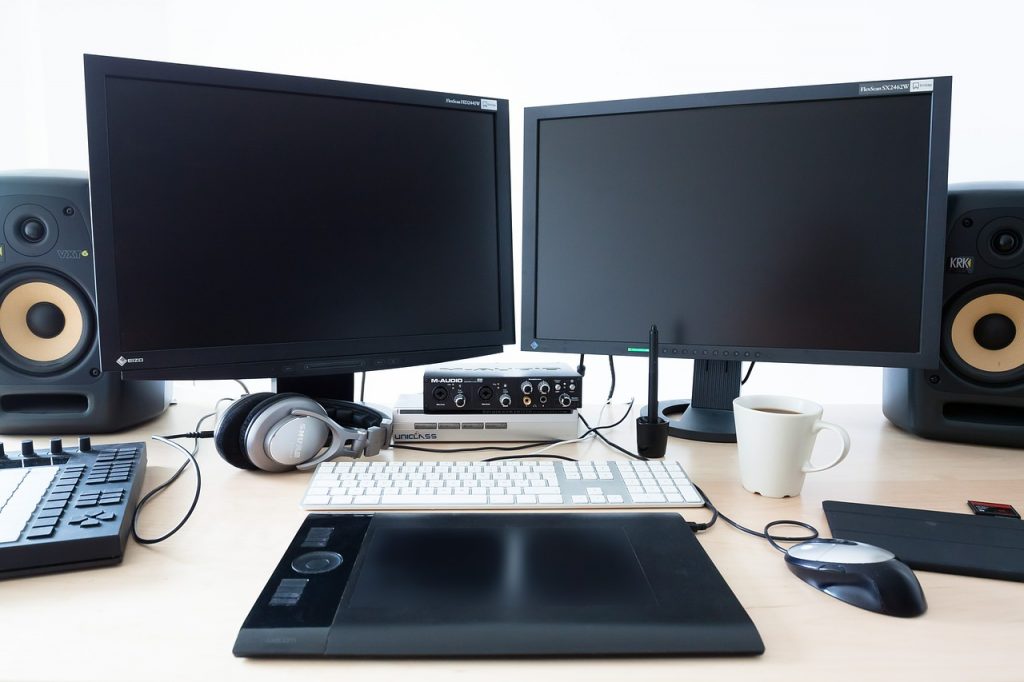
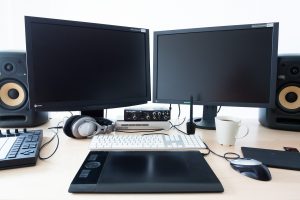
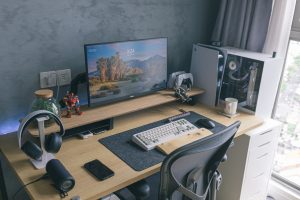
Employing multiple monitors can boost productivity and improve workflow efficiency as well. Dual or triple monitor setups offer plenty of screen real estate for tasks like code debugging, multitasking data comparison, and smooth workflow transitions.
As such, they are an essential tool for any tech-savvy worker in GMADA Aerocity.
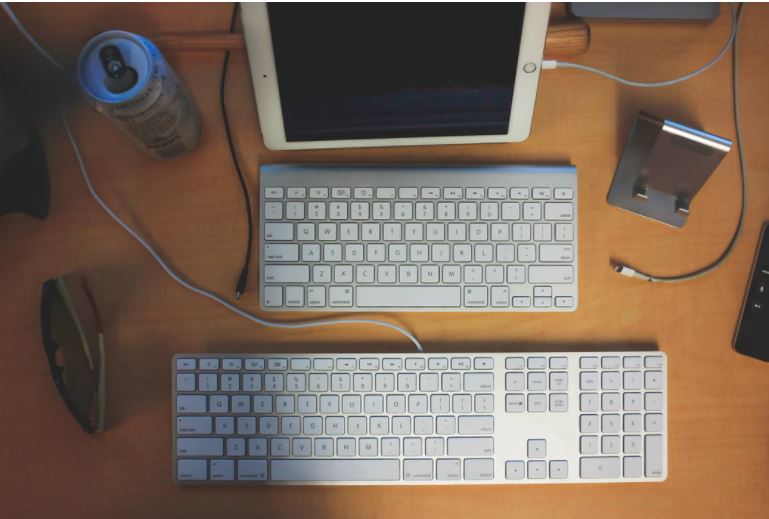
6. Ergonomic accessories
Get ergonomic accessories like adjustable chairs, keyboards, and mice, which promote comfort. By lowering the risk of repetitive strain injuries (RSIs), weariness, and discomfort during extended workdays, proper ergonomics enable employees to maintain focus and productivity throughout the day.
Conclusion
By following these tips and making appropriate investments in hardware configuration for your personal computer or office workstation, you can maximize performance while at the same time ensuring that it operates optimally under all circumstances.
Stay prepared ahead of the wave within this fast-paced setup by ensuring that your workstation is well placed to handle requirements from emerging technology industries effectively.



 The Benefits of Integrating Computer Hardware in Your Kitchen


 When it comes to setting up your computer, one of the most crucial decisions you’ll make is choosing the right computer screen. Whether you’re a professional designer, a gamer, or a regular user, having a high-quality screen can greatly enhance your computing experience. But with so many options available, how do you make the right choice? Let’s dive into the world of computer screens and explore what factors you should consider to find the perfect match for your needs.
 Welcome to the dazzling world of graphics processing units (GPUs), where the power of pixels comes to life! These mighty components have revolutionized various fields, from gaming to artificial intelligence. Buckle up and prepare for a fun-filled ride through the incredible capabilities of GPUs.
 Computers are essential in our daily lives and can be a source of frustration when they don’t work as expected. One of the most common reasons for computer problems is hardware issues. Whether it’s a power supply problem, overheating issue, hard drive failure, or a graphics card malfunction, there are a number of common hardware problems that can occur. In this article, we’ll go over some of the most common computer hardware problems and offer tips on how to troubleshoot them.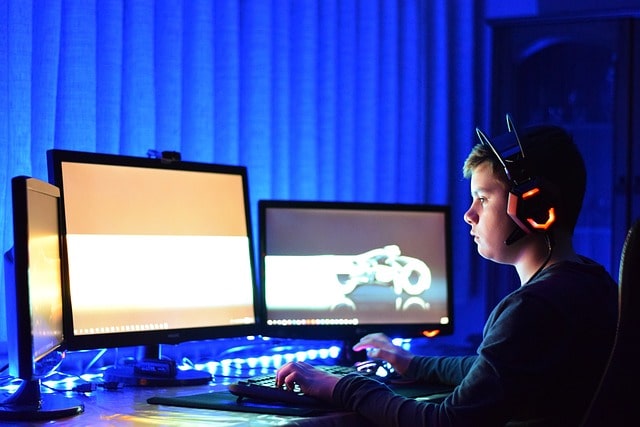
 Laptop batteries don’t last forever. And there are a few things you can do to ensure a more extended, healthier battery. Turn your laptop over and gently blow on your back for 10-15 minutes daily to keep it cool. Most people overlook these.
 A personal laptop is a smaller, portable version of a laptop that is conveniently sized to fit in one’s hand, purse, or briefcase. It often has a more straightforward design and is priced lower than a laptop.
 A ‘corrupted hard drive’ error message is enough to panic the general public. It doesn’t necessarily mean that each one is lost, however. With the correct tools and expertise, you’ll recover data from a corrupted Winchester drive (HD). During this article, we’ll undergo the steps you’ll have to fancy rescue your files.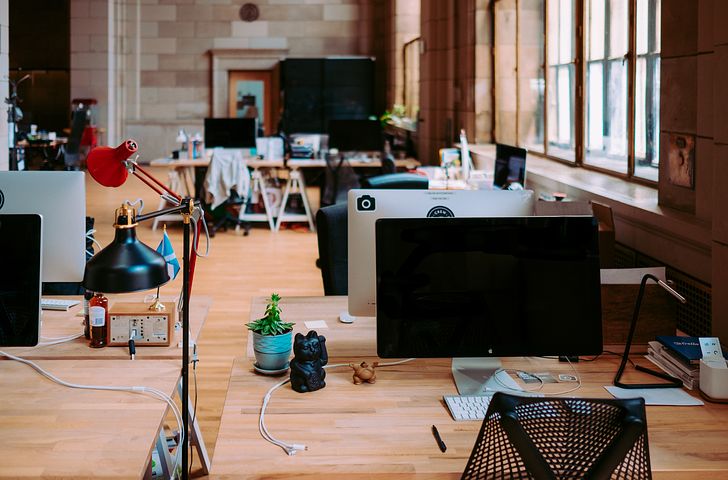

 Towing is among the industries. This may come in the picture of years before but today organizations are currently utilizing technologies to make them function quicker, better, and more economical. Firms may be missing out to grow. Here are how towing businesses are progressing with technologies.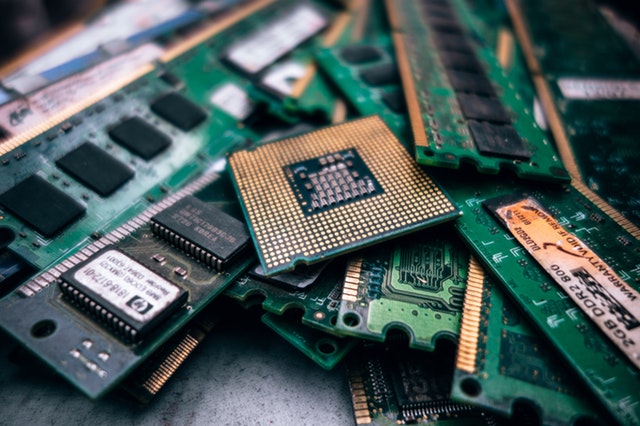
 ow can the air feel in your office? Are you surrounding by a lot of computers day in and day out? If your answer to our former query was”stuffy” or”warm” and there are computers nearby, that is not a good answer. Why? Because without ventilation, a lot of issues can arise.
 The disadvantage of owning so many electronics in one place is that dust tends to collect faster than per usual. Those dust bunnies if left can spell danger! Dust and grime buildup left alone for a very long time period can cause a number of issues, the worst being overheating.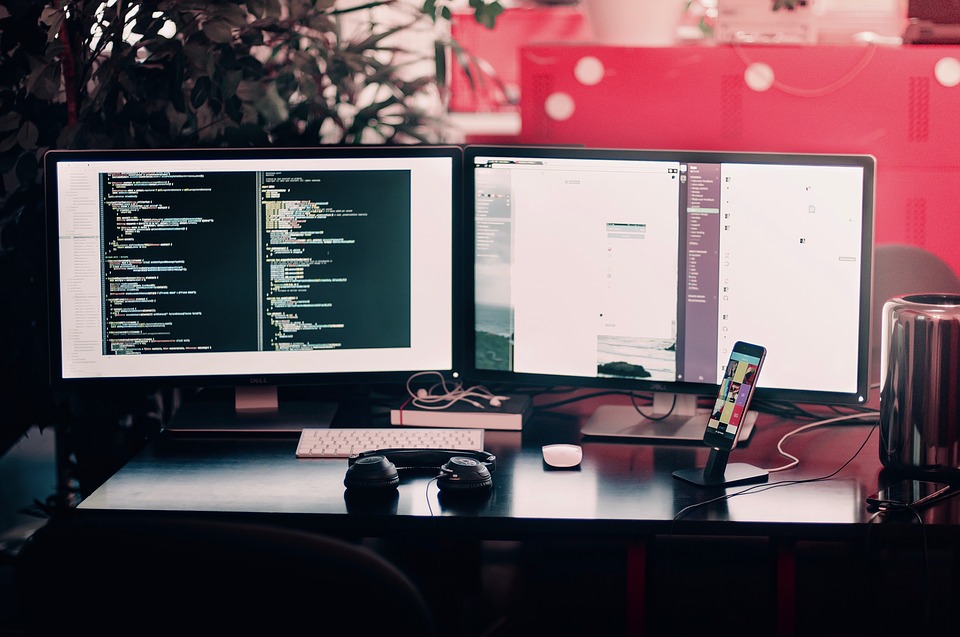
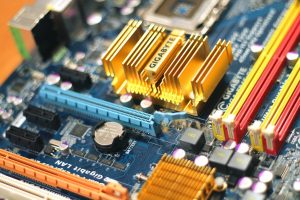
 Here is the initial kind of motherboard created also it measures 11″ long and 12″ wide. It experienced plenty of issues in peripheral installation and troubleshooting whilst the general style is so bad. Its convenience is bad as well because the drive bays are mounted above the motherboard.
 Windows 10 installation should be quick and easy with the instructions that Microsoft has given. If you encounter issues while installing, it could be a hardware issue.
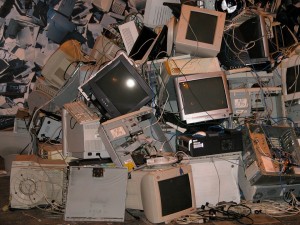 In order to have it working again, there a few things you want to check.
 Other reports say spending more than 5 hours a day in front of the computer screen causes lack of sleep, lowers a person’s ability to interact with others as opposed to interaction in social media. While we thought that social media can be healthy, it can otherwise lower a child’s self esteem.
 Guest posting has become a powerful tool for individuals and businesses alike to expand their online presence and connect with new audiences. However, it’s crucial to leverage the power of data analytics to ensure the best results from guest posting campaigns. This article will explore how data analytics tools and platforms can revolutionize your guest posting efforts, leading to enhanced outreach strategies and measurable success.
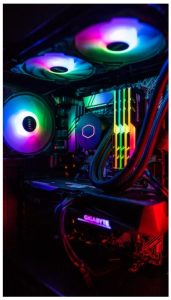 In today’s digital world, computer hardware plays a crucial role in our daily lives. Whether you’re a gaming enthusiast, content creator, or someone who appreciates technology, understanding computer hardware helps you build a system tailored to your needs. Alongside personalization to enhance your space and deciding to buy anime carpet allows you to showcase your passion for anime.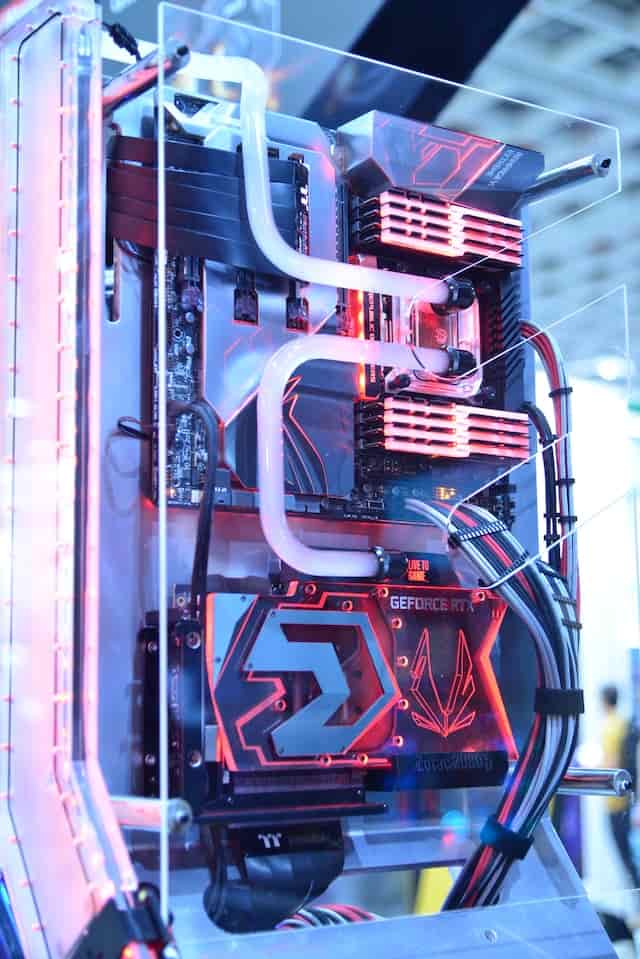
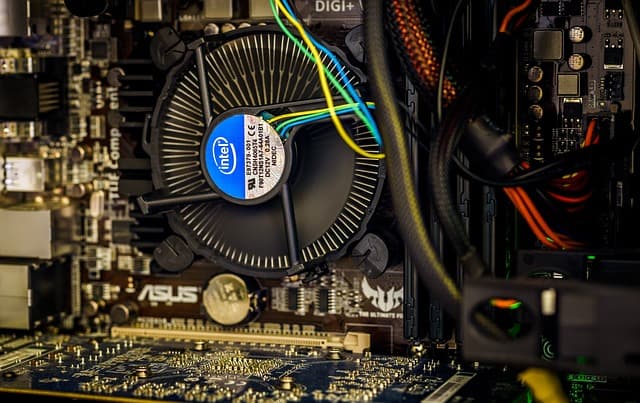

 As technology advances, we are increasingly relying on computers and software applications to carry out various tasks. Windows operating system, in particular, is widely used in personal computers, and it offers numerous software applications to meet different user needs. However, with so many apps installed, locating and using them efficiently can become challenging. Sorting Windows apps is an essential task that must not be overlooked. This article explores the importance of properly sorting Windows apps and why it should be done.
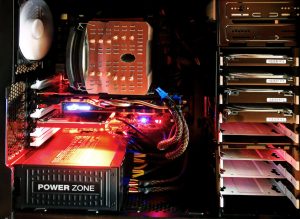 Computers play a huge role in our daily routines, from work to fun activities. As technology advances, new hardware parts are released and you can choose to upgrade your computer’s hardware to benefit from the change. However, it’s essential to consider the pros and cons of upgrading before investing in new components. This article will delve into the advantages and disadvantages of updating your computer hardware.