
High-performance computers generate significant heat. Gaming rigs, workstations, and home labs push hardware to its limits, making temperature management a top priority. While cooling systems, airflow design, and surge protection are well-known safeguards, fire-retardant fabrics add a crucial layer of protection that is often overlooked.
Many PC setups now include fabric elements such as cable sleeves, desk mats, chair upholstery, and acoustic panels. These materials can catch fire if exposed to sparks, overheating components, or electrical malfunctions. Using fire retardant spray for fabric can reduce these risks. This spray forms a protective barrier that slows ignition, giving hardware and users extra safety during unexpected incidents.
Understanding the Risks
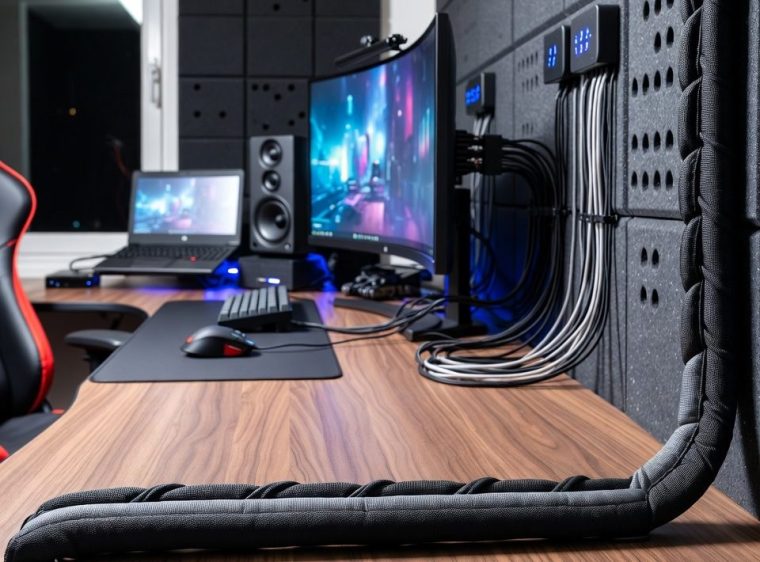
Modern PCs are powerful, but they also generate heat. Graphics cards, CPUs, and power supplies can reach temperatures high enough to pose a fire hazard if airflow is blocked or ventilation is inadequate. Even small sparks from connectors or charging cables can ignite nearby fabrics. Items such as fabric desk mats, soft chairs, and soundproof panels may increase risk in an otherwise safe room.
Fire-retardant coatings work by altering the way fabrics respond to heat. They don’t make materials completely fireproof, but they slow down combustion and prevent flames from spreading quickly. This gives users time to address electrical issues and prevents minor sparks from turning into full-blown accidents.
Where Fire-Retardant Fabrics Make a Difference
- Cable Management: Fabric cable sleeves are popular for organizing wires and improving aesthetics. Treated sleeves can prevent an electrical fault from igniting a large section of cabling.
- Acoustic Panels: Many setups include fabric-covered sound-absorbing panels. Applying fire-retardant spray to these panels reduces the likelihood of fire spreading during overheating incidents.
- Furniture Upholstery: Gaming chairs and office chairs with fabric surfaces can become fuel in a fire. A protective coating adds peace of mind while retaining comfort and style.
- Desk Mats and Mouse Pads: These surfaces often sit close to power supplies, chargers, or USB hubs. Fire-retardant fabrics can prevent accidents from escalating.
- Server Rooms and Home Labs: Small labs or server cabinets often contain bundles of fabric-wrapped cables. Coated fabrics enhance safety without interfering with equipment performance.
Integrating Safety Into Your Setup
Fire-retardant fabrics should complement, not replace, standard precautions. Keep electronics well-ventilated, maintain clean dust-free areas, and invest in reliable surge protectors. Ensure cables are organized and away from heat sources. When adding fabric elements to your environment, treating them with fire retardant spray for fabric provides an extra safety buffer, reducing the risk of flame propagation and offering more time to react to emergencies.
Regular inspections are essential. Over time, fabrics may lose their protective qualities if worn or exposed to cleaning chemicals. Reapply protective sprays according to manufacturer instructions. Combining these efforts with proper hardware maintenance and safe power practices creates a tech environment that is not only functional but also resilient.
READ ALSO: 5 Reasons a Dusty Computer Is Just as Bad as a Dirty Air Conditioner in Brisbane
Conclusion
Modern computing spaces are full of heat-generating devices and delicate electronics. While cooling systems and surge protection are vital, fabrics in the environment can pose hidden fire risks. Using fire retardant spray for fabric on cable sleeves, upholstery, and acoustic panels adds a critical layer of protection. This simple step enhances safety, allowing tech enthusiasts to enjoy high-performance setups without compromising security.
Safety in PC environments comes down to combining hardware precautions with material protection. Treating fabrics and maintaining good airflow ensures your space stays secure, comfortable, and ready for any high-performance computing challenge.